Food Biodiversity Includes What Never Appears on the Plate
A colourful plate is an appealing image of diversity, but biodiversity for food and agriculture extends far beyond the ingredients we can see. The Food and Agriculture Organization describes it at genetic, species and ecosystem levels. Its account includes cultivated plants and domesticated animals, wild food sources and the associated organisms that help production function.
That wider view includes the life involved in pollination, soils and other ecological relationships. It changes the question from how many ingredients are in a meal to what kinds of living systems support those ingredients.
Learn a name more precisely
A practical starting point is to ask for the variety of a familiar crop. “Bean”, “apple” or “rice” can be a category rather than a complete identity. A grower or specialist seller may be able to explain why a particular variety is used and how it behaves in the kitchen.
Record the name alongside a cooking observation. This turns a new purchase into knowledge you can use again, rather than a novelty selected only for appearance.
Make room for difference
A recipe written around one ingredient may need adjustment when another variety is introduced. Treat that difference as information. Note the texture, cooking behaviour and flavour in the actual dish instead of assuming that a less familiar name guarantees a better result.
Do not confuse variety with rarity or expense. The purpose is to understand food more closely, not to assemble an exclusive collection of ingredients.
Ask about the growing context
When reliable information is available, look beyond the crop to the practices and habitat around it. A single product label rarely describes the whole system. Claims about conservation or ecological benefit should be tied to specific evidence rather than inferred from an attractive story.
One shopping decision cannot stand in for the wider work of protecting biodiversity. It can, however, be an occasion to learn which questions matter. The plate becomes more informative when it points outward to the varieties, organisms and relationships that are usually absent from the menu description.
Sources
https://www.fao.org/interactive/state-of-biodiversity-for-food-agriculture/en/
Beyond the plate in photographs
These photographs illustrate organisms, soil, seed packets, crops and food preparation. They do not constitute a biodiversity survey, identify genetic variation from appearance or demonstrate the conservation performance of a farm or product. Archival sources and known locations are described in the credits. No endorsement of pictured seed brands or growing practices is implied.

Archival illustrative photograph · Noah Boyer / Unsplash 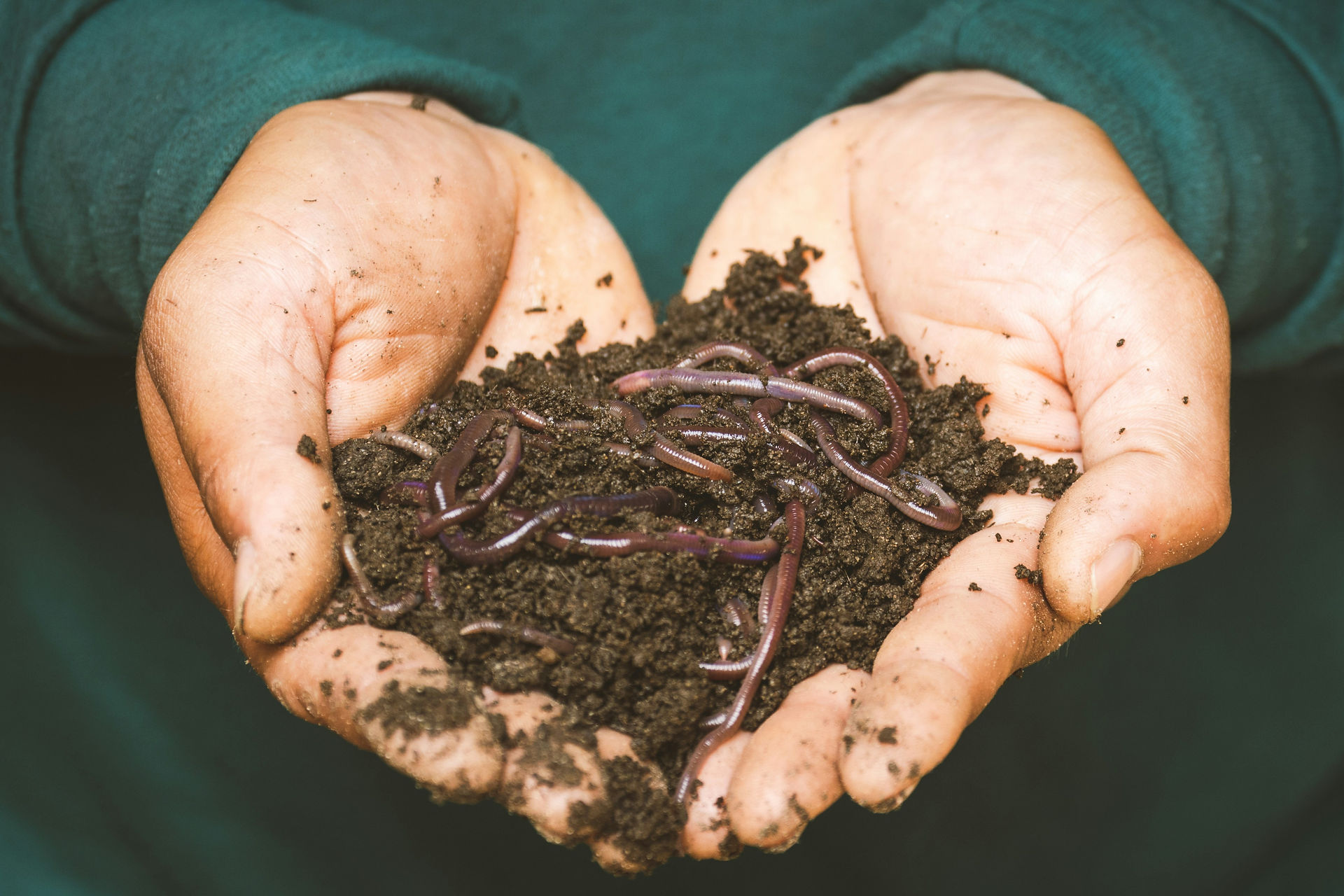
Archival illustrative photograph · sippakorn yamkasikorn / Unsplash 
Archival illustrative photograph · Krista Bennett / Unsplash 
Archival illustrative photograph · Steve Lieman / Unsplash 
Archival illustrative photograph · Veronica Chalyj / Unsplash 
Archival illustrative photograph · Richard Nyoni / Unsplash 
Illustrative photograph · Maddi Bazzocco / Unsplash 
Illustrative photograph · Vitaly Gariev / Unsplash 
Illustrative photograph · Nadine Primeau / Unsplash 
Illustrative photograph · Alehandra / Unsplash
Image credits and licensing
1. Noah Boyer / Unsplash. Half Moon Bay, California; source published 3 June 2019. https://unsplash.com/photos/bee-on-flower-31ANH72iSt4 Also used as the cover image.
2. sippakorn yamkasikorn / Unsplash. Source published 6 February 2020; no species-level identification inferred. https://unsplash.com/photos/brown-dried-leaves-on-persons-hand-6v9w4ZR2TJE
3. Krista Bennett / Unsplash. Leroy Township, Illinois; source published 17 March 2022. https://unsplash.com/photos/a-bunch-of-pictures-of-different-fruits-and-vegetables-shcYvp9MBQ4
4. Steve Lieman / Unsplash. Groton Farmers’ Market, Massachusetts, United States; source published 5 August 2021. https://unsplash.com/photos/orange-carrots-on-brown-cardboard-box-40irKb1LGNc
5. Veronica Chalyj / Unsplash. Lithuania, 2019, according to photographer; source published 27 January 2024. https://unsplash.com/photos/tomatoes-growing-in-a-greenhouse-on-a-sunny-day-AyAUGDAay_Q
6. Richard Nyoni / Unsplash. Karonga District, Malawi; source published 30 April 2025. https://unsplash.com/photos/farmers-harvest-leafy-greens-in-the-field-HzdCcbUDCbo
7. Maddi Bazzocco / Unsplash. Illustrative photograph. https://unsplash.com/photos/variety-of-assorted-color-beans-UhrHTmVBzzE
8. Vitaly Gariev / Unsplash. Illustrative photograph. https://unsplash.com/photos/a-woman-is-chopping-vegetables-in-a-kitchen-vP3eMcCP9WE
9. Nadine Primeau / Unsplash. Illustrative photograph. https://unsplash.com/photos/vegetable-salad-on-plate-hHVNSFSVFKU
10. Alehandra / Unsplash. Illustrative photograph. https://unsplash.com/photos/a-person-writing-in-a-notebook-with-coffee-QK4Ov_0APVU
All photographs are used under the Unsplash License: https://unsplash.com/license. They illustrate the editorial subject and do not depict fieldwork, interviews or recipe testing by this article's author.



Comments