Farm-to-Table Becomes Clearer When You Ask About the Route
A menu can say farm-to-table without telling you much about the journey between the two. The more interesting account names the producer, explains the relationship and acknowledges the people who make that route work.
The US Department of Agriculture's research on local and regional food systems covers farmers markets, food hubs, supply chains and farm-to-institution channels, among other subjects. That range is a useful reminder that a regional food economy includes more than a direct exchange between one farmer and one chef.
Ask a concrete question
Instead of asking whether every ingredient is local, begin with one item. Who grew it? Where is the farm? Does the kitchen buy directly or through a distributor? How does availability change during the year?
An intermediary does not make a relationship meaningless. It may be part of how food reaches a working kitchen. The useful distinction is between a clearly described route and a romantic description that leaves the route invisible.
Notice the exceptions
A convincing sourcing story can explain what is not supplied through the featured relationship. A restaurant may name the grower of its vegetables while buying flour, spices or other ingredients through different channels.
Those boundaries make the account more credible. They help the diner understand the scope of a claim rather than imagining that a phrase on the menu covers every component.
Let provenance inform the dish
For a home cook, producer information can become part of a practical notebook. Record the ingredient, its source and how it behaved in the recipe. If the next delivery changes, adjust the dish rather than expecting every crop to be identical.
Distance alone should not be treated as a complete account of environmental impact, labour conditions or flavour. Each of those questions needs its own evidence.
Farm-to-table is most useful when it opens a conversation about relationships and logistics. A specific, modest explanation can tell you more than an expansive promise, because it gives you something real to ask about, remember and follow.
Sources
https://www.ams.usda.gov/services/local-regional/research-publications
From growing to cooking in photographs
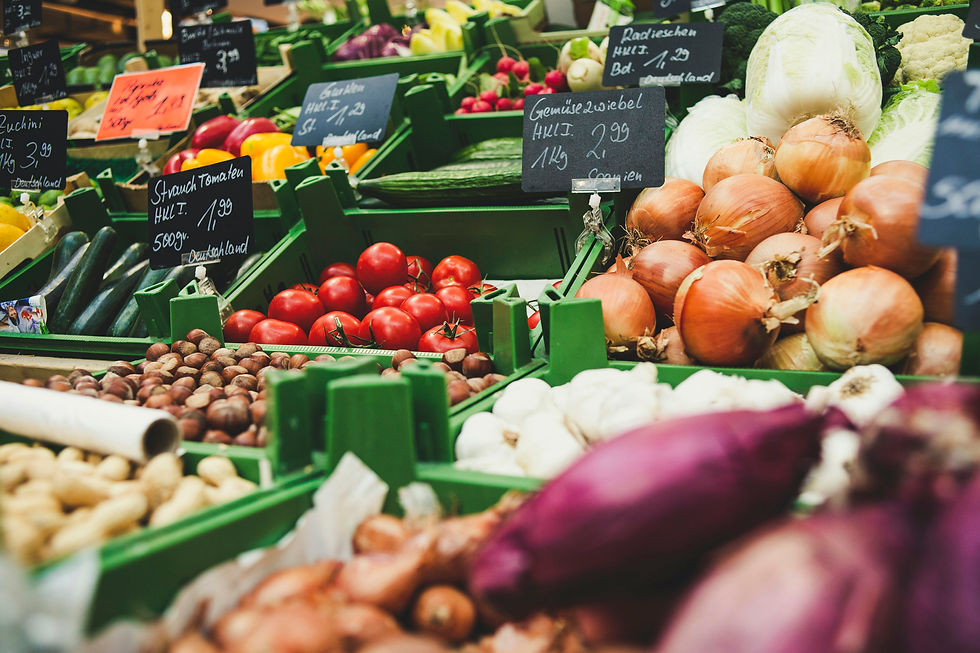
These photographs illustrate growing, harvest, produce transport, markets, preparation and note-taking. They come from different sources and do not document a single supply chain, restaurant, delivery or sourcing partnership. Archival locations and source-publication dates are identified in the credits; visible prices are historical. No certification, labour condition or environmental benefit is inferred from the photographs.
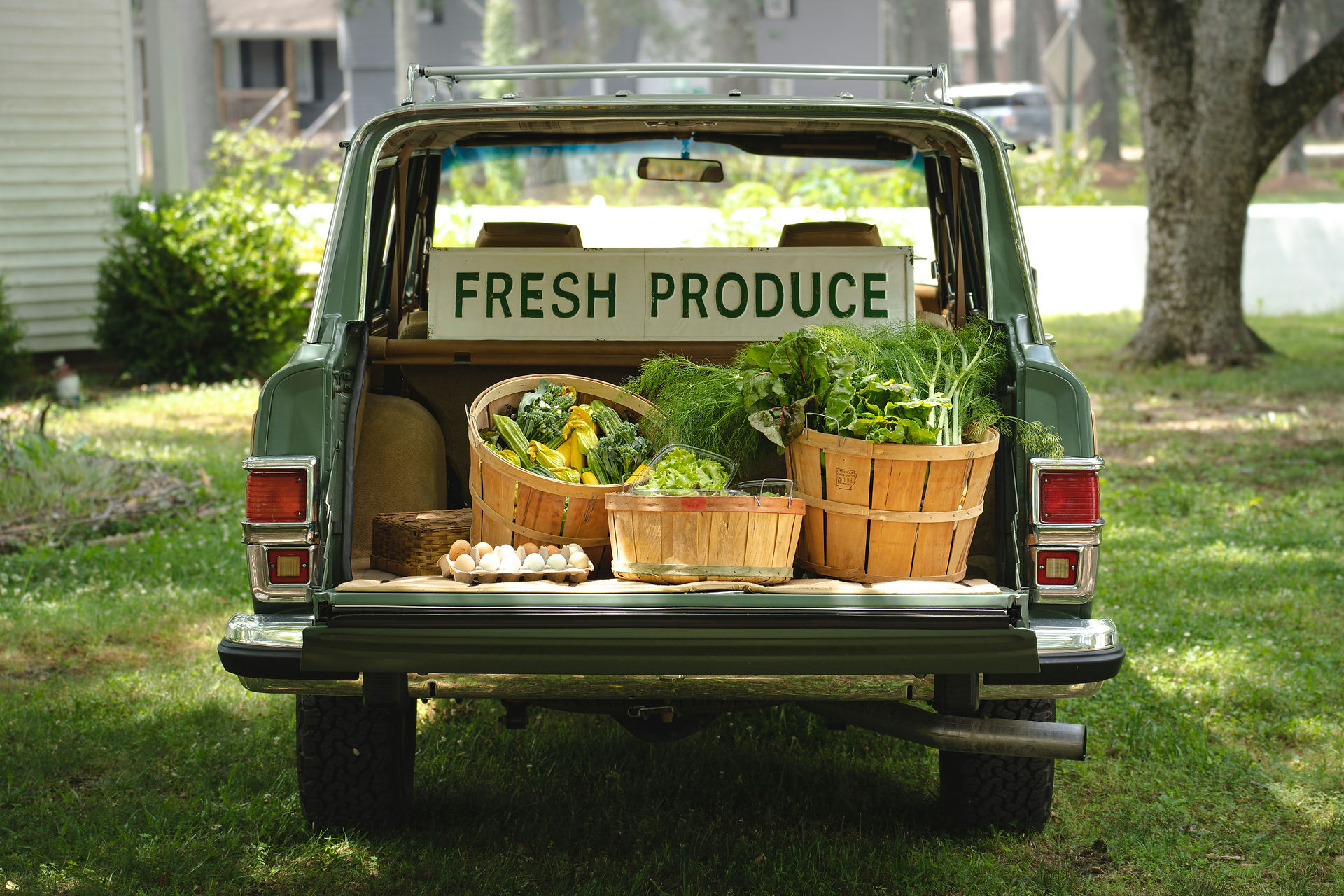
Archival illustrative photograph · Andrew Benjack / Unsplash 
Archival illustrative photograph · Richard Nyoni / Unsplash 
Archival illustrative photograph · Markus Spiske / Unsplash 
Archival illustrative photograph · Markus Spiske / Unsplash 
Archival illustrative photograph · Jordan Christian / Unsplash 
Archival illustrative photograph · Steve Lieman / Unsplash 
Illustrative photograph · tommao wang / Unsplash 
Illustrative photograph · Vitaly Gariev / Unsplash 
Illustrative photograph · Nadine Primeau / Unsplash 
Illustrative photograph · Alehandra / Unsplash
Image credits and licensing
1. Andrew Benjack / Unsplash. Source published 8 July 2022; route and produce origin not established. https://unsplash.com/photos/a-van-with-a-bunch-of-vegetables-in-the-trunk-_4ugH7TiGjA Also used as the cover image.
2. Richard Nyoni / Unsplash. Karonga District, Malawi; source published 30 April 2025. https://unsplash.com/photos/farmers-harvest-leafy-greens-in-the-field-HzdCcbUDCbo
3. Markus Spiske / Unsplash. Upper Franconia, Bavaria, Germany; source published 19 August 2019. https://unsplash.com/photos/a-long-row-of-tomatoes-growing-in-a-greenhouse-9cHVqn9bBpQ
4. Markus Spiske / Unsplash. Nürnberg market; source published 11 November 2019. https://unsplash.com/photos/assorted-fruits-and-vegetables-3nX7pythQyM
5. Jordan Christian / Unsplash. Spokane, United States; source published 3 August 2018. https://unsplash.com/photos/variety-of-vegetables-with-price-sign-on-table-nmETWq50lrY
6. Steve Lieman / Unsplash. Groton Farmers’ Market, Massachusetts, United States; source published 5 August 2021. https://unsplash.com/photos/orange-carrots-on-brown-cardboard-box-40irKb1LGNc
7. tommao wang / Unsplash. Illustrative photograph. https://unsplash.com/photos/a-basket-of-vegetables-sitting-on-a-counter-in-a-kitchen-WRIyIU5owik
8. Vitaly Gariev / Unsplash. Illustrative photograph. https://unsplash.com/photos/a-woman-is-chopping-vegetables-in-a-kitchen-vP3eMcCP9WE
9. Nadine Primeau / Unsplash. Illustrative photograph. https://unsplash.com/photos/vegetable-salad-on-plate-hHVNSFSVFKU
10. Alehandra / Unsplash. Illustrative photograph. https://unsplash.com/photos/a-person-writing-in-a-notebook-with-coffee-QK4Ov_0APVU
All photographs are used under the Unsplash License: https://unsplash.com/license. They illustrate the editorial subject and do not depict fieldwork, interviews or recipe testing by this article's author.



Comments