Givenchy Spring 2027 Menswear: Sarah Burton and Rachel Whiteread
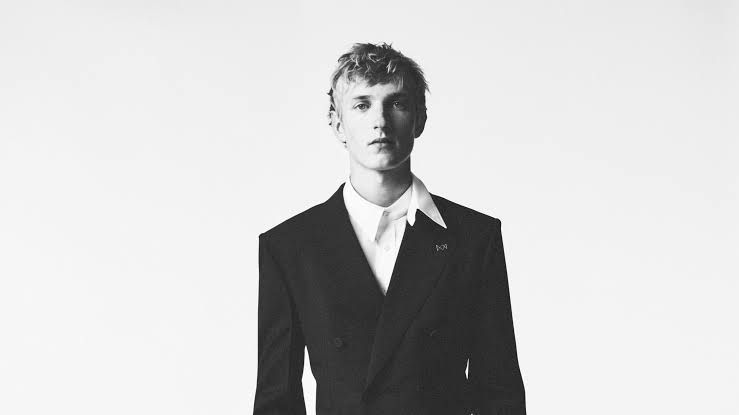
Givenchy Menswear Spring/Summer 2027 presents a confident study in modern masculinity, where precision tailoring meets lighter construction and a more relaxed sense of movement. The collection reflects a house in dialogue with its couture heritage while responding to the way men want to dress now: refined, flexible and expressive without excess.

A Sharper, Lighter Wardrobe
Tailoring provides the collection’s foundation, but stiffness is replaced by ease. Jackets sit closer to the body without feeling restrictive, trousers move fluidly, and layered pieces create depth without unnecessary weight. The result is a wardrobe that feels polished yet functional for warmer months.

Proportion as a Modern Design Tool
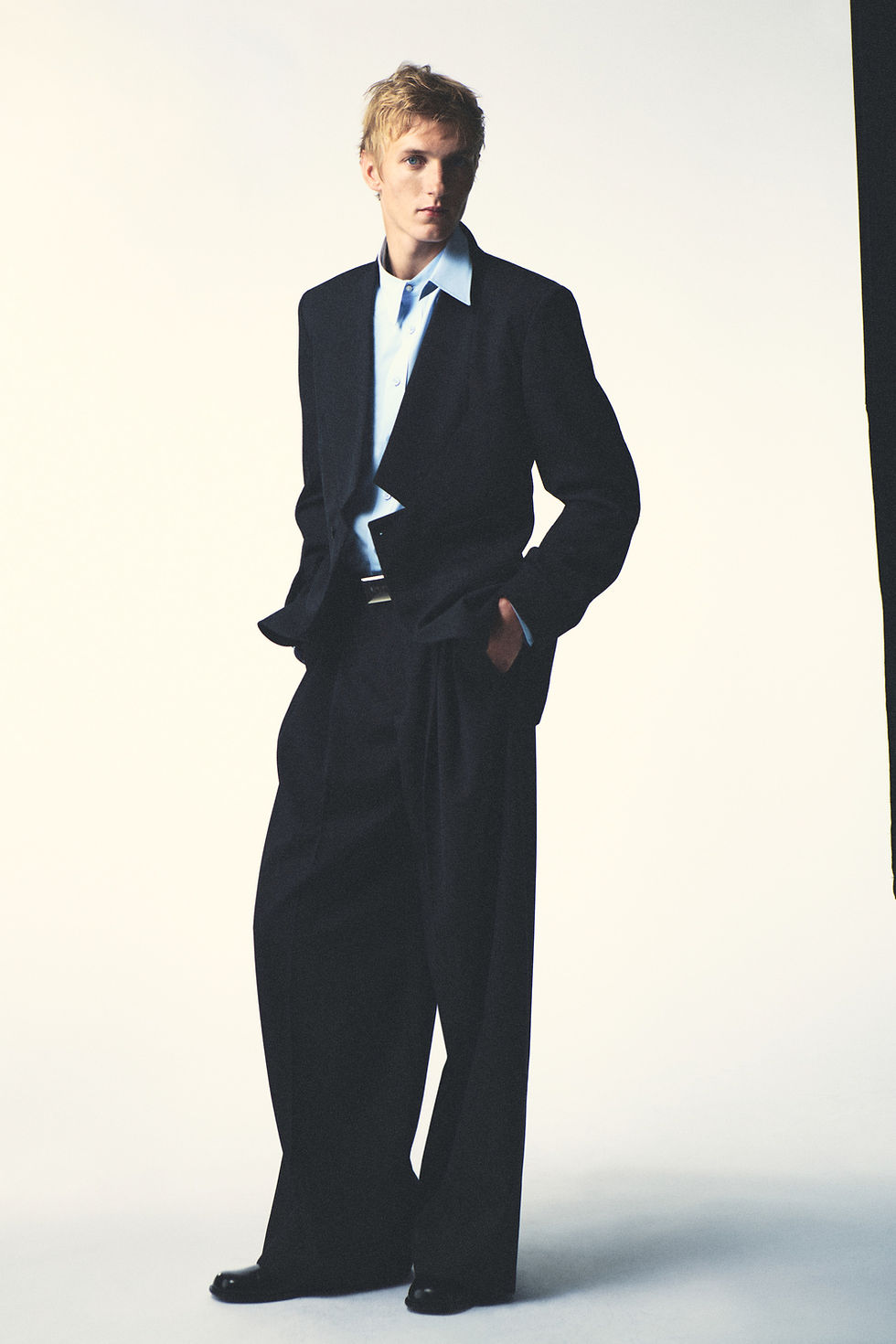
Proportion becomes one of the most important devices throughout the collection. Cropped outerwear, longer shirts, clean shoulders and elongated trousers create contrast while maintaining visual discipline. The silhouettes feel contemporary because they are subtle rather than exaggerated.

The Return of Quiet Authority
There is a quiet authority to the collection. Luxury is expressed through cut, fabric and finish instead of overt branding. This restraint reconnects Givenchy menswear with the house’s historic elegance while avoiding nostalgia.

The icönik View
Givenchy Spring/Summer 2027 succeeds because it understands that modern menswear does not need spectacle to feel relevant. Its strength lies in proportion, construction and attitude. The collection offers a refined version of contemporary masculinity—controlled, sophisticated and quietly confident.

For icönik, this is a strong example of how heritage houses can modernize menswear through clarity rather than noise.
Ease can still be precise
Givenchy menswear works best when relaxed silhouettes retain architectural clarity. Spring/Summer 2027’s interest in ease does not require abandoning tailoring; it means allowing jackets, trousers and outerwear to move without losing line. Precision becomes something felt in balance rather than stiffness.

Parisian masculinity is becoming less rigid
The modern Givenchy man can move between formal, utilitarian and sensual codes without changing identity. This flexibility reflects a wider shift in luxury menswear, where softness and ornament no longer need to be framed as exceptions to masculinity. The challenge is to keep the result coherent rather than eclectic for its own sake.

Heritage works through attitude
Givenchy’s archive contains aristocratic elegance, graphic black-and-white imagery and a long relationship with celebrity dressing. A contemporary collection does not need to repeat those references literally. It can preserve the attitude—clarity, confidence and controlled glamour—while changing fabric, proportion and styling.

Why the collection matters
Luxury menswear is increasingly judged by how naturally it moves between occasions. A strong collection should support work, travel, evening and informal life without forcing the wearer into separate identities. Givenchy’s opportunity lies in making that versatility feel specifically Parisian rather than generically minimal.

Craft and construction
Givenchy Menswear Spring/Summer 2027 should be judged at both distance and close range. Silhouette and color create the immediate impression, but setting, articulation, stone matching and finishing determine whether the piece sustains attention. Weight and balance matter as well: a jewel can be technically spectacular yet fail on the body if it twists, restricts movement or competes with the wearer.
Sarah Burton’s first public Givenchy menswear presentation
Spring/Summer 2027 marked Sarah Burton’s first publicly presented menswear collection for Givenchy. That context changes how the clothes should be read: this was not simply another seasonal refinement of house tailoring, but the first clear public statement of how Burton intended to shape the masculine side of Givenchy. Her approach emphasized precision without stiffness, allowing historical house elegance to coexist with a more relaxed contemporary wardrobe.
Rachel Whiteread gave the collection an architectural frame
Burton worked with British artist Rachel Whiteread, whose practice is known for casting the negative space inside rooms and domestic objects. For Givenchy, Whiteread recommissioned moulds of wardrobe interiors, giving the presentation a direct conceptual relationship to clothing as occupied space. That collaboration makes proportion and interior volume more than styling devices; they become part of the collection’s central idea about what a wardrobe contains, remembers and reveals.


Comments