
Top Interior Design & Architecture: The Ideas Shaping Exceptional Spaces
The most memorable interiors are rarely defined by a single piece of furniture or a fashionable surface. They succeed because architecture, proportion, light, material and daily life have been considered as one composition. In contemporary luxury design, the strongest projects feel confident without becoming theatrical: rooms are shaped around movement, views, comfort and the character of the people who use them.
Architecture comes before decoration
A refined interior begins with the bones of the space. Ceiling height, window placement, circulation, thresholds and the relationship between rooms establish the rhythm long before fabrics or objects arrive. Good interior architecture makes movement intuitive. It can frame a garden, create a moment of compression before a dramatic room, or use a carefully positioned opening to pull daylight deeper into a plan. Decoration becomes more convincing when it reinforces these architectural decisions instead of competing with them.

Illustrative threshold: an open doorway frames the view into a bedroom. Photo: The Prototype / Unsplash.
Proportion is the quiet foundation
Scale is one of the clearest differences between a room that merely contains beautiful things and one that feels resolved. Large spaces do not automatically require oversized furniture, and small rooms do not need to be visually timid. Designers work with relationships: the height of a sofa against a window, the diameter of a table beneath a pendant, the width of a rug in relation to a seating group, and the amount of negative space left around significant objects. These ratios create calm and make even eclectic interiors feel intentional.

Illustrative interior: seating, windows and open floor areas show several scales within one living space. Photo: Francesca Tosolini / Unsplash.
Natural materials bring depth
Stone, timber, plaster, metal, leather, linen and wool continue to anchor high-quality interiors because they develop character over time. The goal is not simply to use expensive finishes; it is to choose materials whose texture, weight and ageing process suit the architecture. Honed stone can soften a monumental surface. Oak can add warmth to a rigorous modern plan. Hand-applied plaster introduces subtle movement that flat paint cannot reproduce. Increasingly, designers are also asking where materials come from, how far they travel and whether they can be repaired, reused or responsibly replaced.

Illustrative material contrast: a patterned knit throw lies beside a smooth wooden stool and upholstered sofa. Photo: Jort Hoekstra / Unsplash.
Lighting should work in layers
Successful lighting is rarely achieved by one dramatic fixture. Architectural light, task light and decorative light should work together. During the day, window treatments can filter glare without sacrificing atmosphere. In the evening, concealed sources can wash walls, lamps can create intimate pools of light and pendants can define dining or gathering zones. The best schemes also consider colour temperature and dimming, allowing a space to change from functional brightness to a softer mood without losing clarity.

Illustrative lighting arrangement: a chandelier hangs above a dining table between two wall lights. Photo: Lisa Anna / Unsplash.

Illustrative bedroom lighting: sheer and heavier curtains share the window beside an illuminated wall sconce. Photo: Febrian Zakaria / Unsplash.
Craftsmanship creates individuality
Bespoke joinery, hand-finished surfaces, custom upholstery and artisan-made objects can give a project its most personal layer. Custom does not need to mean ornate. A perfectly detailed built-in cabinet or a stone threshold cut to align with the geometry of a room can be as luxurious as a collectible object. Craftsmanship is especially powerful when it solves a practical problem while contributing to the visual language of the architecture.

Illustrative fitted storage: a recessed display and shoe shelves are framed by full-height cabinets. Photo: Pickawood / Unsplash.
Comfort is part of luxury
An interior can photograph beautifully and still fail in daily life. The most sophisticated homes balance visual discipline with acoustic comfort, storage, durable finishes, ergonomic seating and intuitive technology. Kitchens need workable distances. Bedrooms need darkness and quiet. Living spaces need places for conversation as well as solitude. Luxury becomes meaningful when design removes friction from everyday routines rather than adding complexity.

Illustrative living area: a sofa and separate chairs face a shared open space beside the kitchen. Photo: Kara Eads / Unsplash.
Sustainability is becoming a design standard
The conversation around sustainable interiors has moved beyond adding a few recycled products. Long-lasting design begins with adaptable plans, durable materials and objects worth maintaining. Reusing existing structures can preserve embodied carbon and cultural character. Vintage furniture can introduce history while reducing demand for new production. Efficient glazing, shading, insulation and passive design strategies can improve comfort before mechanical systems are considered. The most persuasive sustainable spaces integrate these decisions so naturally that responsibility and beauty are inseparable.
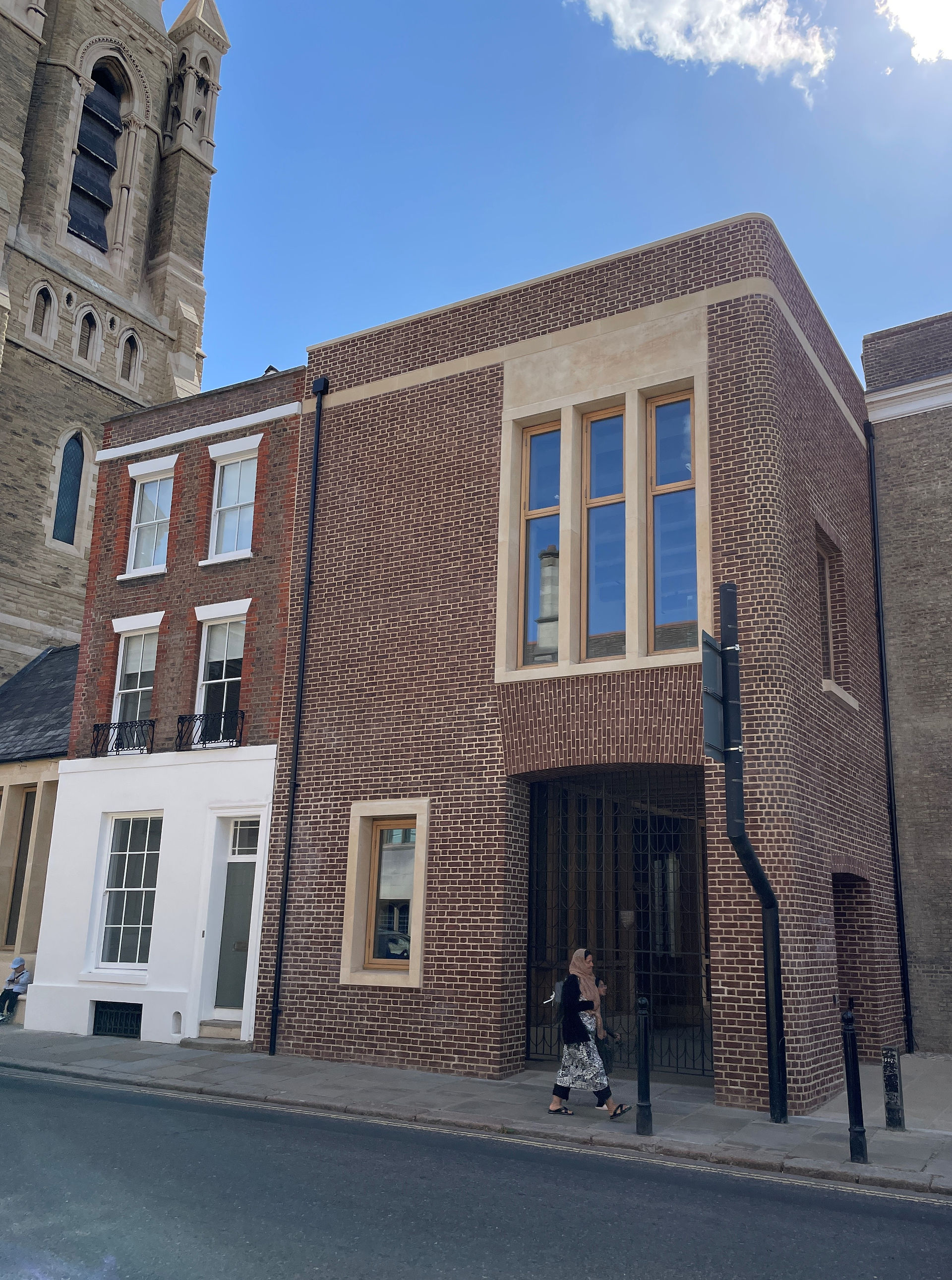
Archive, 29 July 2023: newer brickwork stands beside older building fabric at Pembroke College’s Mill Lane redevelopment in Cambridge. This exterior view illustrates the relationship between new construction and an existing setting; it does not establish environmental performance. Photograph: Mr Ignavy / Geograph, CC BY-SA 2.0.

Collecting art changes a room
Art should not be treated as the final accessory. Paintings, sculpture, photography and collectible design can influence sightlines, wall proportions, lighting and even the arrangement of furniture. When considered early, a collection becomes part of the architecture rather than something placed on top of it. This approach also creates interiors that are harder to imitate because the narrative is built around specific works and personal choices.

Illustrative interior: three landscape panels hang above a sectional sofa near a glazed balcony door. Photo: Christian Lambert / Unsplash.
Where to look for inspiration
The strongest references come from more than social media trends. Study historic houses, contemporary museums, hotels, restaurants, gardens and vernacular architecture. Notice how materials meet, how daylight moves through a building and how public spaces guide people without obvious instructions. For a global perspective on leading creative practices, explore icönik’s Best Interior Designers in the World 2026.

Illustrative junction detail: a tile is positioned above a wooden worktop, with spacers visible between the lower tiles. Photo: charlesdeluvio / Unsplash.
Ultimately, exceptional interior design and architecture are less about following a fixed aesthetic than making a coherent series of decisions. When proportion, material, light, craft, comfort and context reinforce one another, a space gains the quality that trends cannot manufacture: a clear sense of place.
Image credits and licensing
Photo: The Prototype / Unsplash. Source: https://unsplash.com/photos/a-bed-sitting-in-a-bedroom-next-to-a-mirror-qUVhhGXXm74 . License: https://unsplash.com/license . Original photograph reused without alteration. Illustrative context; no documented luxury project, designer attribution, technical performance or trend prevalence is asserted.
Photo: Francesca Tosolini / Unsplash. Source: https://unsplash.com/photos/beige-couch-and-armchair-tHkJAMcO3QE . License: https://unsplash.com/license . Original photograph reused without alteration. Illustrative context; no documented luxury project, designer attribution, technical performance or trend prevalence is asserted.
Photo: Lisa Anna / Unsplash. Source: https://unsplash.com/photos/a-dining-room-with-a-table-and-chairs-and-a-chandelier-sENlQVO2weY . License: https://unsplash.com/license . Original photograph reused without alteration. Illustrative context; no documented luxury project, designer attribution, technical performance or trend prevalence is asserted.
Photo: Kara Eads / Unsplash. Source: https://unsplash.com/photos/living-room-L7EwHkq1B2s . License: https://unsplash.com/license . Original photograph reused without alteration. Illustrative context; no documented luxury project, designer attribution, technical performance or trend prevalence is asserted.
Photo: Christian Lambert / Unsplash. Source: https://unsplash.com/photos/sectional-sofa-near-coffee-table-and-window-hlOpCML8twI . License: https://unsplash.com/license . Original photograph reused without alteration. Illustrative context; no documented luxury project, designer attribution, technical performance or trend prevalence is asserted.
Photo: Jort Hoekstra / Unsplash. Source: https://unsplash.com/photos/yellow-textile-on-couch-lqksPJ3adtU . License: https://unsplash.com/license . Existing original photograph reused without alteration. Illustrative editorial context; no project authorship, technical performance, material certification or endorsement is asserted.
Photo: Febrian Zakaria / Unsplash. Source: https://unsplash.com/photos/black-sconce-beside-white-bed-2QTsCoQnoag . License: https://unsplash.com/license . Existing original photograph reused without alteration. Illustrative editorial context; no project authorship, technical performance, material certification or endorsement is asserted.
Photo: Pickawood / Unsplash. Source: https://unsplash.com/photos/a-white-closet-with-a-shoe-rack-and-a-handbag-O3ZeDMslEJw . License: https://unsplash.com/license . Existing original photograph reused without alteration. Illustrative editorial context; no project authorship, technical performance, material certification or endorsement is asserted.
Photo: charlesdeluvio / Unsplash. Source: https://unsplash.com/photos/person-pressing-white-wall-c2thq3SXJiA . License: https://unsplash.com/license . Existing original photograph reused without alteration. Illustrative editorial context; no project authorship, technical performance, material certification or endorsement is asserted.
Photograph: Mr Ignavy, Pembroke College - Mill Lane redevelopment, 29 July 2023. Source: https://commons.wikimedia.org/wiki/File:Pembroke_College_-_Mill_Lane_redevelopment_-_geograph.org.uk_-_7561312.jpg . License: https://creativecommons.org/licenses/by-sa/2.0/ . Original integral photograph reused without alteration; no endorsement implied.


Comments