The Future of Esports Is a Question of Ownership, Audiences and Sustainable Revenue
Esports is often described through audience size, prize pools or tournament spectacle. Those measures reveal reach, but they do not fully explain whether a team or competition can support its staff, players and production costs. The more useful business question is where reliable revenue comes from—and who controls the platform on which the competition exists.
Unlike a traditional sport whose rules are not owned by one software company, many esports titles depend on a game publisher's intellectual property and technical decisions. Tournament formats, access to the game and the ability to license broadcasts can therefore reflect commercial relationships with the publisher. Teams may build loyal identities, but their opportunities can change when the game or competition structure changes.
Sponsorship remains central to many organisations. Brands may fund tournaments, player appearances, streaming content and social initiatives. Yet a sponsor usually buys attention and audience relevance rather than medals alone. When marketing budgets tighten, an operation that depends on one headline partnership can be exposed. Merchandise, memberships, event tickets and creator-led content may diversify income, but none is an automatic substitute for sustained community trust.
Media distribution introduces another tension. An open stream can reach many viewers; exclusive deals may offer more predictable rights income, but sometimes limit access. The economics also differ between a major international event, an independent creator, a professional team and the game publisher. Industry-wide market estimates can vary widely depending on whether they include gaming revenue, sponsorship, media rights or betting activity. Comparisons should disclose those definitions rather than present one headline number as universal.
Deloitte's work on esports investment illustrates how teams and organisers seek revenue beyond core competitions, including content and adjacent services.
A sustainable ecosystem will also need to consider fair player contracts, travel and production costs, appropriate working conditions and competitive integrity. These practical details may be less glamorous than a sold-out final, yet they determine whether a league can return for another season.
The future of esports business will belong to organisations that can connect audience enthusiasm to durable value without confusing popularity with profitability.
Sources
https://www.deloitte.com/us/en/insights/industry/sports/non-endemic-brands-esports.html
An illustrative photo notebook
These archive photographs and clearly labelled equipment and stock images illustrate competitions, media production, audiences, budgeting and contracts. They do not document current finances, specific contract terms, working conditions or commercial endorsements. Image publication dates are not necessarily capture dates.

An esports tournament in Singapore with spectators and large game screens. Archive image published on 22 December 2019; the capture date is not specified. 
Players use mobile phones during a gaming competition. Archive image published on 5 October 2025; it does not establish their current team or contract status. 
An audience watches a projected video game in a conference hall. Archive image published on 16 May 2019; the capture date is not specified. 
Illustrative equipment photograph: a gaming computer and peripherals at a gaming bootcamp. 
Illustrative equipment photograph: unoccupied gaming stations in a bootcamp setting. 
A camera operator records a presentation desk at a Dota 2 competition. Archive image published on 3 January 2026; the publication date does not identify the event year. 
Team banners hang inside an esports venue. Archive image published on 3 January 2026; visible branding is not evidence of current sponsorship agreements. 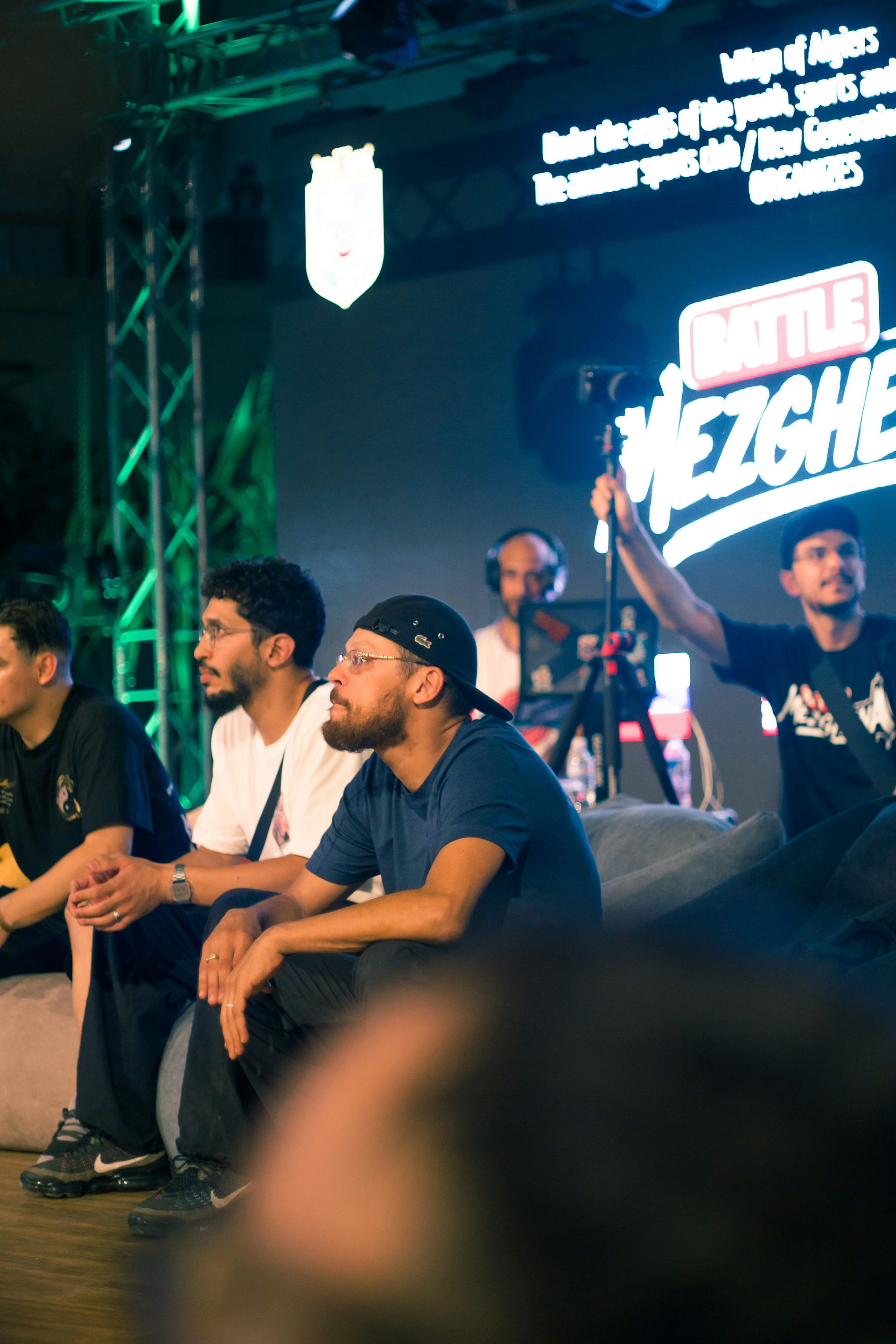
Spectators gather beside a stage and large game screen. Archive image published on 11 September 2025; the capture date is not specified. 
Illustrative stock photograph: a calculator and notebook represent budgeting, not any team's accounts. 
Illustrative stock photograph: reviewing documents, not a recorded esports contract negotiation.
Image credits and licensing
1. Photo: Kelvin Ang / Unsplash. View source photograph. Also used as the cover image.
2. Photo: Alef Morais / Unsplash. View source photograph.
3. Photo: Stem List / Unsplash. View source photograph.
4. Photo: ELLA DON / Unsplash. View source photograph.
5. Photo: ELLA DON / Unsplash. View source photograph.
6. Photo: Invisible (@invisiblelity) / Unsplash. View source photograph.
7. Photo: Invisible (@invisiblelity) / Unsplash. View source photograph.
8. Photo: Fethi Benattallah / Unsplash. View source photograph.
9. Photo: Cht Gsml / Unsplash. View source photograph.
10. Photo: Olena Kholina / Unsplash. View source photograph.
All photographs are used under the Unsplash License.


Comments