How to Start an LGBTQ+ Club or Community Group
Start With a Clear Purpose
A strong LGBTQ+ community group does not begin with logos, events or a social media page. It begins with purpose. Before anything else, decide what the group is meant to do. Some groups exist to create friendship and belonging. Others focus on student support, professional networking, arts programming, mutual aid or advocacy. Each of these goals asks for a different tone, different expectations and a different kind of leadership.
Naming the purpose early helps people understand why the group exists and whether it is right for them. It also prevents the group from becoming vague or overextended. A club that tries to be everything at once can quickly lose momentum. A smaller, focused mission is easier to explain, easier to organize and easier to sustain.
Define the Audience and Scope
Once the purpose is clear, think carefully about who the group is for. Is it open to all LGBTQ+ people? Is it a space for students, young professionals, artists, parents or allies? Is it centered on a local neighborhood, a workplace, a campus or a broader citywide community? The answer matters because it shapes the language you use, the events you plan and the boundaries you set.
A group for queer and trans students, for example, may need a different structure from a community arts collective. A support-oriented group may need confidentiality and a slower pace. A networking group may need a more public-facing identity. Being specific is not exclusionary; it is practical. People feel safer when they understand the shape of the space before they enter it.

Build Safety Into the Structure
For LGBTQ+ communities, safety is not an afterthought. It has to be part of the design. Start with simple community guidelines that describe respectful behavior, privacy expectations and how the group handles conflict. Make those guidelines easy to find and easy to understand. If the group meets in person, think about location, lighting, access, transport and the visibility of the venue. If it meets online, think about moderation, privacy settings and whether members can participate without revealing personal details publicly.
A group that values safety should also anticipate that not everyone will have the same comfort level. Some people may be out in every part of their life; others may not be. Some may want to speak openly, while others may prefer to listen first. Good structure makes room for that range without forcing anyone to explain themselves.
Prioritize Accessibility and Practical Ease
Accessibility is one of the clearest signs that a group is well run. That includes physical access, but it also includes cost, scheduling, communication style and sensory comfort. Choose meeting times that do not exclude people with work, caregiving or commuting constraints. Use plain language in invitations and announcements. If possible, keep participation free or low-cost. Even a small expense can become a barrier for someone who wants to join.
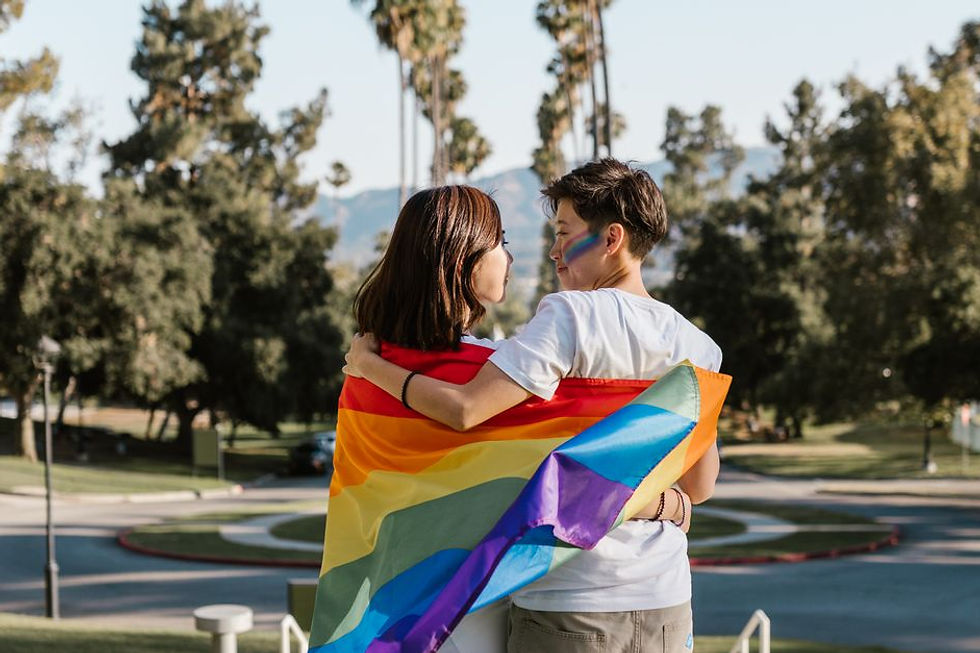
Practical ease matters as much as idealism. A group that is hard to understand, hard to join or hard to locate will lose people before they have a chance to connect. Make the first step simple. Offer a clear point of contact. Explain what new members can expect. The less friction you create, the more likely people are to return.
Share Leadership Early
Many community groups begin with one motivated organizer. That energy is valuable, but it should not become the group’s only engine. Shared leadership helps prevent burnout and makes the group more resilient. Even a small team can divide responsibilities: one person handles outreach, another manages logistics, another focuses on programming or moderation.
Shared leadership also creates continuity. If one person needs to step back, the group can continue without collapsing. It also gives more people a stake in the group’s direction. That matters in LGBTQ+ spaces, where representation and trust are especially important. A leadership model that is collaborative, transparent and flexible will usually last longer than one built around a single personality.
Start Small and Build a Rhythm

There is no need to launch with a large calendar of events. In fact, smaller beginnings often work better. A first meeting, a monthly gathering, a reading group, a social hour or a low-pressure discussion can establish the group’s tone more effectively than an ambitious schedule that is difficult to maintain.
Consistency is more important than scale. People are more likely to trust a group that meets regularly and communicates clearly than one that appears impressive at the start and then disappears. A predictable rhythm gives members something to rely on. Over time, that reliability becomes part of the group’s identity.
Listen Before Expanding
One of the most useful habits for any new group is to ask members what they actually need. The answer may not match the organizer’s first assumptions. People may want conversation rather than programming, resources rather than publicity, or quieter gatherings rather than high-energy events. Listening carefully at the beginning can save time, energy and frustration later.
Feedback does not need to be complicated. A simple conversation, a short form or a check-in at the end of a meeting can reveal what is working and what is not. When people see their input reflected in the group’s choices, trust grows. That trust is often the real foundation of a lasting community.

Make Space for Different Kinds of Participation
A strong LGBTQ+ club or community group should not assume that every member wants to participate in the same way. Some people arrive to socialize. Others come for support. Others want to volunteer, organize or simply observe. Designing a space that accommodates different levels of engagement makes the group more welcoming.
That might mean offering multiple ways to contribute, from helping set up chairs to suggesting future topics. It might mean allowing members to attend quietly without pressure to speak. It might mean creating events that are both structured and informal. The goal is not to keep everyone at the same level; it is to create a shared space where different needs can coexist.
Sustain the Group Over Time
Long-term sustainability depends on more than enthusiasm. It requires documentation, clear expectations and a realistic pace. Keep basic records of what the group has done, what it plans to do and how responsibilities are shared. That makes it easier to welcome new organizers and preserve momentum when people move on.
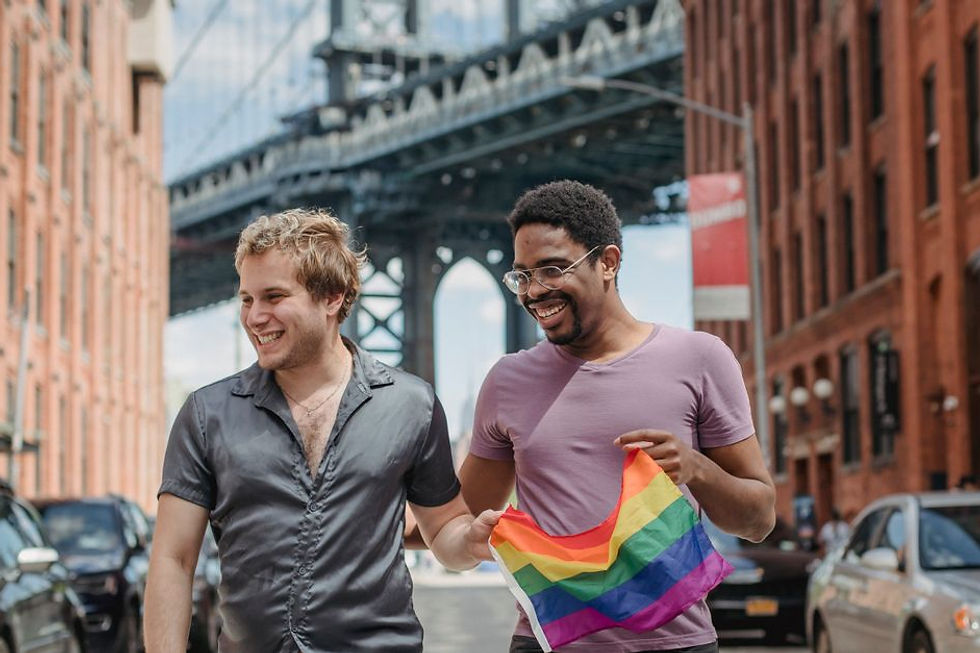
It also helps to revisit the group’s purpose from time to time. As membership changes, the group may need to adjust its activities or priorities. That is not a sign of failure. It is a sign that the group is alive.
Build a Group People Can Trust
The most successful LGBTQ+ groups are rarely the flashiest. They are the ones that feel clear, steady and humane. They know what they are for. They make it easy to join. They protect privacy. They listen. They do not rely on one person’s energy to survive.
If you are starting from scratch, begin with a narrow purpose, a thoughtful structure and a small number of well-executed gatherings. Let trust grow before scale. In the end, the strength of an LGBTQ+ club or community group is measured less by how quickly it expands than by how safely and consistently it helps people feel seen.


Comments