Claudia Schiffer: The German Supermodel Who Defined an Era
Claudia Schiffer became one of the defining faces of the supermodel era, translating an initially quiet public persona into extraordinary image power across editorials, campaigns and runways. Her German background remained part of a career that quickly became international.
The supermodel as global brand
Schiffer’s influence came from consistency as much as fame: a recognizable look, disciplined professionalism and the ability to move between high fashion and mass visibility. Her career helped define the moment when models became household names independent of any single designer.
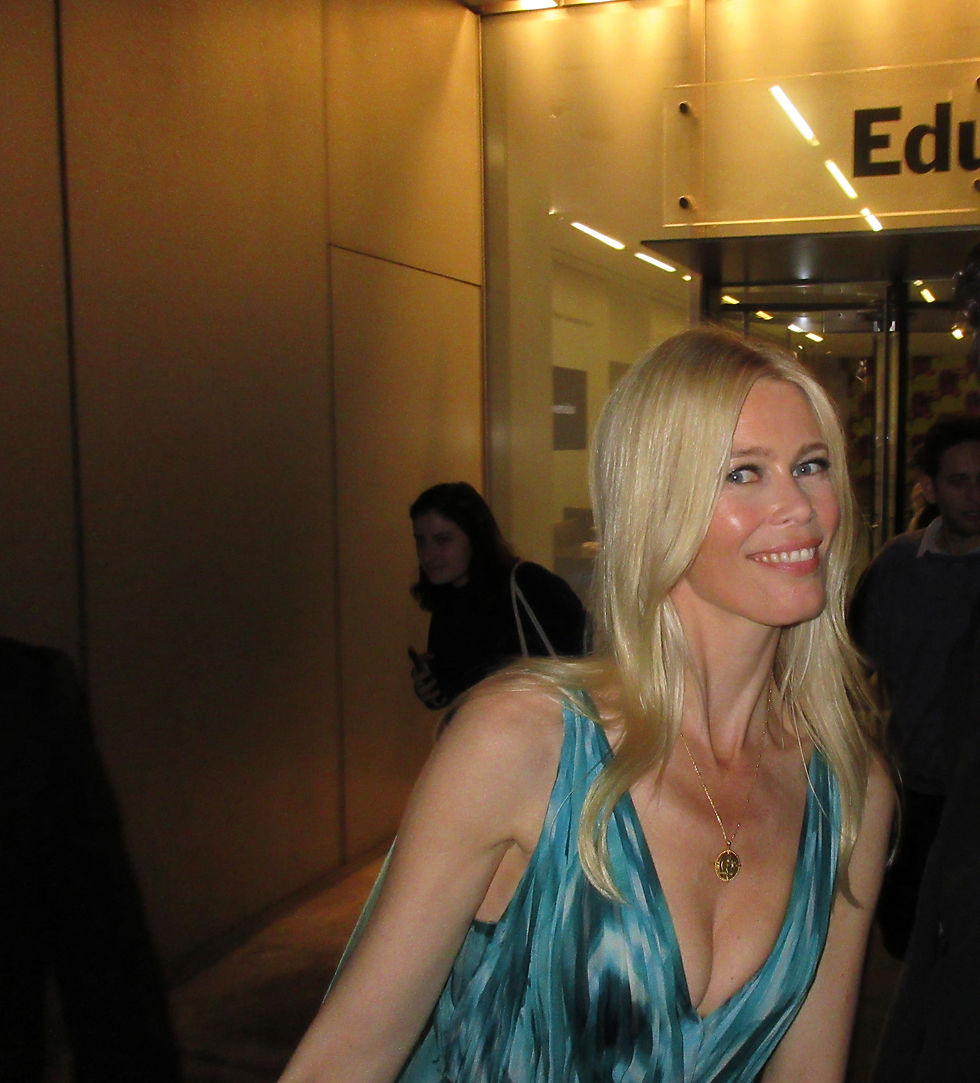
Her legacy is visible in today’s model-celebrity hybrid, where editorial credibility and personal brand operate together across multiple media formats.

A distinctly German route into global fashion
Claudia Schiffer’s rise from Germany to the center of international fashion helped broaden the image of the supermodel era. Her look became associated with the polished glamour of late-1980s and 1990s fashion, yet her appeal crossed markets because photographers and designers could adapt that image to very different visual worlds.
Photography was central to the supermodel phenomenon
The supermodel era depended on repeated collaboration with major photographers, magazines and advertising campaigns. A model’s identity was built across many images rather than one runway. Schiffer’s career illustrates how editorial photography could turn a fashion professional into a globally recognized cultural figure.
The Guess campaigns helped establish an archetype
Early Guess imagery played a major role in defining Schiffer’s public image through retro glamour and highly recognizable beauty styling. The campaigns demonstrated the power of consistent art direction: photography, hair, makeup and styling created a character strong enough to travel internationally.
Why her legacy still matters
The current fashion system produces many visible models, but fewer achieve the cross-media cultural recognition associated with the 1990s supermodels. Schiffer’s legacy shows how sustained collaboration, image consistency and personality can create a career that extends beyond seasonal runway relevance.
Context behind the image
Coverage of Claudia Schiffer is strongest when it distinguishes documented appearance from the mythology that grows around a famous person. Designer credit, event, date and the actual visual choices should be established first; interpretation can then examine silhouette, styling, beauty and the relationship to the subject’s longer public image. This prevents celebrity fashion writing from turning assumptions into facts and makes the analysis more durable because the reader can see exactly which part is observation and which part is editorial interpretation.
How the public style evolved
The longer view also matters for Claudia Schiffer. One viral outfit or controversy rarely explains an entire public style. Influence is built through repeated collaborations, changes in silhouette, relationships with designers and the way a person moves between performance, private life and formal events. Looking across those contexts reveals whether a moment represents genuine evolution or simply a temporary styling experiment. That chronology is what gives celebrity coverage substance beyond immediate social-media reaction.

Why the moment matters
Schiffer’s longevity is also tied to the way her image moved across campaigns, editorials and runway culture without becoming dependent on one photographer or one fashion house. Guess created an early archetype, but later work with major designers and magazines expanded that image rather than freezing it. This adaptability helps explain why she remains legible to audiences who did not experience the original supermodel era firsthand: the face is iconic, but the professional identity was built through repeated reinvention.
Image credits: Daltoncitys / CC BY-SA 4.0 (via Wikimedia Commons; cover cropped to 16:9, original image retained) · Greg2600 / CC BY-SA 2.0 (via Wikimedia Commons) · Photo: Daltoncitys / WikiPortraits / CC BY-SA 4.0 (editorial event photo, original file unmodified) · Photo: Daltoncitys / WikiPortraits / CC BY-SA 4.0 (editorial event photo, original file unmodified)


Comments