The Most Beautiful Wedding Dresses of Couture Week

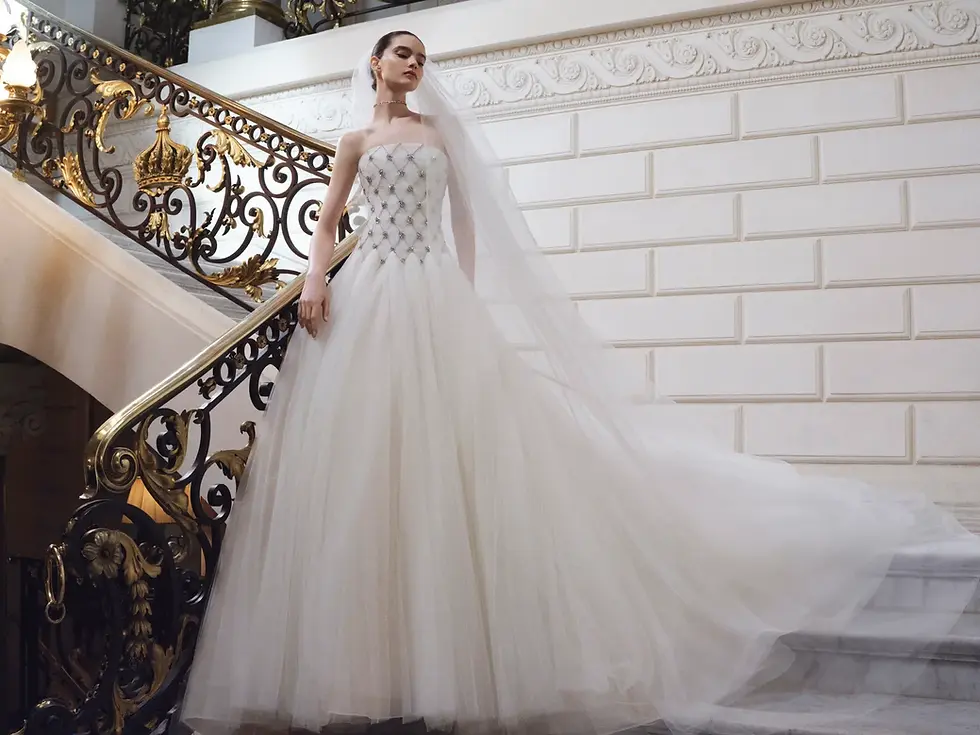
Paris Haute Couture Week has always had a special relationship with bridal fashion. The tradition of closing a couture show with a bride may no longer define every collection, but Fall 2026 proved that the runway remains one of the richest sources of wedding inspiration in fashion. Across Dior, Chanel, Balenciaga, Elie Saab, Ashi Studio, Zuhair Murad, Iris van Herpen and other houses, white gowns, sculptural silhouettes, veils, capes, tailoring and embellished evening looks offered ideas for every stage of a luxury wedding weekend.
A useful distinction: not every look below was presented as an official wedding dress. This is icönik’s edit of couture looks that are explicitly bridal or wedding-ready — the pieces whose color, construction, volume, veiling or ceremonial presence translate naturally to modern bridal wardrobes.
1. Christian Dior: the finale bride that defined the week
Jonathan Anderson’s Fall 2026 Dior couture finale delivered the season’s clearest bridal statement. Vogue singled out the finale wedding gown as one of the week’s defining moments, and its importance went beyond tradition: Dior used the bride as a culmination of couture technique, translating volume, craft and ceremony into a look designed to be remembered from every angle. For brides who want a gown with architectural authority rather than decorative excess, Dior’s approach is the season’s essential reference.
2. Chanel: romantic volume with Parisian restraint
Chanel offered multiple wedding-ready looks in a collection built around fantasy, romance and couture workmanship. The strongest bridal possibilities came through soft volume, pale tones and pieces that balanced grandeur with ease. Instead of treating bridal dressing as a separate category, the collection showed how a couture bride can remain recognizably herself — elegant, modern and slightly unconventional.

3. Elie Saab: the couture language brides already understand
Few houses move as naturally between couture and bridal fantasy as Elie Saab. Fall 2026 offered gowns, embellished dresses and even tailored ideas with trains that could move across a full wedding wardrobe — ceremony, reception and late-night celebration. The lesson is versatility: a bride does not need one visual identity for the entire event. Couture can shift from regal to streamlined without losing coherence.


4. Balenciaga: a bride for the era of sculptural minimalism
Pierpaolo Piccioli’s Balenciaga couture debut supplied some of the week’s strongest wedding-ready propositions. The silhouettes favored impact through proportion and construction rather than familiar bridal ornament. For a bride drawn to clean architecture, dramatic shape and modern ceremony, Balenciaga demonstrated how minimalism can still feel monumental.

5. Ashi Studio: lace, drama and the return of the accessory
Ashi Studio’s couture made a persuasive case for bridal styling as total image-making. Vogue highlighted the house’s lace-covered parasols among the season’s wedding ideas, alongside gowns with the scale and surface treatment expected of true occasion dressing. It is a reminder that the most memorable bridal looks are often built from the relationship between dress, veil, gloves, headpiece or unexpected accessory — not the gown alone.

6. Iris van Herpen: celestial bridal for the experimental romantic
Iris van Herpen provided one of the season’s most poetic alternatives to conventional white bridalwear. A cream-and-metallic couture look brought together the designer’s fascination with natural forces, movement and technology. The result feels ideal for a bride who wants the ceremony to carry a sense of otherworldliness. Van Herpen told Vogue she would be deeply moved to see the look worn for a wedding — a rare direct bridge between couture concept and bridal possibility.


7. Zuhair Murad: glamour built for the aisle and beyond
Zuhair Murad’s Fall 2026 couture collection delivered precisely the kind of embellishment, elongated silhouettes and evening drama that luxury brides frequently seek. The wedding appeal extends beyond ivory: shimmering surfaces and formal gowns can become second looks, rehearsal-dinner statements or reception dresses for brides who want the celebration to evolve visually after the ceremony.


8. Manish Malhotra: sculptural couture for a global wedding wardrobe
Manish Malhotra’s couture debut broadened the wedding conversation with sculptural pieces that speak to the increasingly global character of luxury celebrations. Rather than a single Western bridal code, contemporary weddings often combine multiple ceremonies, cultural traditions and changes of dress. Couture that can hold strong shape, ornament and ceremonial presence is especially relevant in that context.

What Fall 2026 couture says about the next luxury bride
The wedding wardrobe is replacing the idea of one definitive dress: ceremony gowns, tailored looks, capes and party pieces can all belong to the same story.
Sculpture and proportion are becoming as important as lace and embroidery.
Accessories are returning as major bridal statements — veils, parasols, gloves and headpieces can carry as much visual weight as the dress.
White is no longer the only route to bridal impact; cream, metallics and embellished evening tones can work across multi-day celebrations.
Related reading
Explore our Top Best Wedding Dress Designers Worldwide – 2026 Edition and compare runway inspiration with established bridal specialists before choosing the atelier, silhouette and level of customization that fit your celebration.
icönik’s selection is based on Fall 2026 couture presentations and current wedding-fashion coverage. Because couture pieces are made in extremely limited contexts, availability, customization and bridal adaptation should always be confirmed directly with the relevant maison or authorized atelier.




Comments